In a world where sustainability and innovation collide, an unexpected material is making waves in the fashion industry: nuclear waste glass. Once considered a hazardous byproduct of energy production, this radioactive material is being transformed into stunning, functional fashion pieces that challenge our perceptions of both style and safety. Designers and scientists are collaborating to create wearable art that not only turns heads but also serves as a conversation starter about the future of radiation protection.
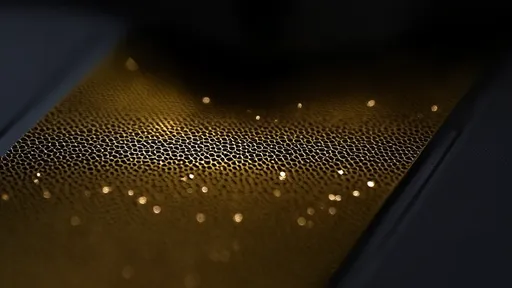
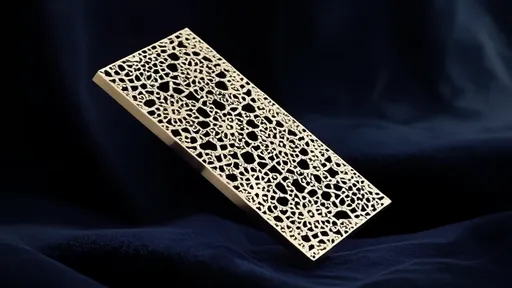
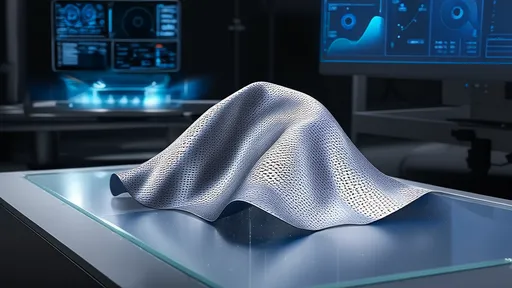
The journey from nuclear reactor to runway is as complex as it is fascinating. Specialized facilities treat spent nuclear fuel by encasing it in borosilicate glass—a process known as vitrification. This glass, typically stored deep underground, possesses unique properties that make it ideal for radiation shielding. When carefully processed and combined with other materials, it can be fashioned into jewelry, eyewear, and even woven into fabrics without compromising safety.
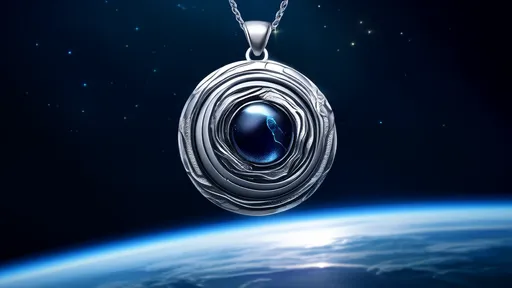
Radiation-chic isn't just about aesthetics—it's a marriage of form and function. The resulting pieces offer protection equivalent to traditional lead shielding but with a fraction of the weight. Imagine sunglasses that filter harmful UV rays more effectively than any commercial brand, or a statement necklace that actually reduces exposure to environmental radiation. These creations blur the line between accessory and personal protective equipment.
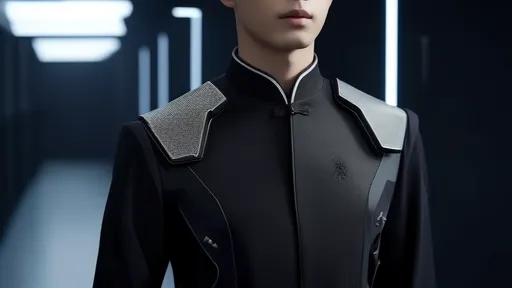
Early adopters of this trend include radiologists, nuclear plant workers, and frequent flyers—all groups with above-average exposure to radiation. What began as practical workwear has evolved into high fashion, with avant-garde designers incorporating the material into couture collections. The glass can be tinted during production, resulting in vibrant hues that shift color depending on lighting conditions, creating dynamic visual effects unlike any other material.
Ethical considerations remain at the forefront of this emerging industry. Strict protocols govern every step of production, from material sourcing to final product testing. Each piece undergoes rigorous radiation screening to ensure it meets safety standards for both wearers and the general public. Proponents argue that repurposing nuclear waste in this manner represents a responsible approach to managing these materials, giving them new purpose rather than consigning them to indefinite storage.
The manufacturing process requires specialized facilities and trained technicians. Artisans work behind thick leaded glass windows, manipulating the material with robotic arms in controlled environments. Despite these challenges, small batches of nuclear glass fashion items have begun appearing in exclusive boutiques, with price tags reflecting their rarity and the complex production process. A single pair of earrings might represent months of meticulous work and safety testing.
Consumer response has been polarized. Some embrace the concept as the ultimate expression of eco-conscious luxury, while others remain wary of wearing processed nuclear waste, regardless of safety assurances. Psychologists note that the items trigger deep-seated cultural anxieties about radiation, forcing wearers to confront their own relationship with nuclear technology. This emotional resonance has become part of the items' appeal for certain demographics.
Looking ahead, researchers are exploring ways to scale production while maintaining safety standards. Some envision a future where radiation-shielding clothing becomes commonplace in our increasingly technological world, protecting wearers from electromagnetic frequencies and other forms of environmental radiation. Others see it remaining a niche market for those seeking truly unique conversation pieces that merge science, sustainability, and style in unexpected ways.
The intersection of nuclear technology and fashion represents more than just a novel use of materials—it challenges us to reconsider waste, beauty, and protection in the Anthropocene era. As designers continue to push boundaries, nuclear waste glass may well become the defining material of a new era in responsible, thought-provoking fashion. Whether this trend will remain avant-garde or enter the mainstream remains to be seen, but its very existence forces a reevaluation of what we consider beautiful, valuable, and safe in our modern world.
By /Oct 22, 2025

By /Jul 25, 2025
By /Jul 25, 2025
By /Jul 25, 2025

By /Jul 25, 2025
By /Jul 25, 2025
By /Jul 25, 2025

By /Jul 25, 2025
By /Jul 25, 2025

By /Jul 25, 2025

By /Jul 25, 2025
By /Jul 25, 2025

By /Jul 25, 2025
By /Jul 25, 2025

By /Jul 25, 2025

By /Jul 25, 2025

By /Jul 25, 2025

By /Jul 25, 2025

By /Jul 25, 2025

By /Jul 25, 2025
