The human body communicates in ways we are only beginning to understand. Among its most intimate messengers is sweat—a complex fluid often dismissed as mere biological waste. Recent advances in biosensing technology have revealed that our perspiration carries a wealth of information about our physical and emotional states, functioning as a real-time diagnostic medium. This discovery has given rise to an emerging field of wearable technology: emotion-metabolizing garments capable of interpreting the biochemical signatures of stress, joy, or fatigue through sweat analysis.
The Silent Language of Sweat
Sweat contains over 500 distinct chemical compounds, including electrolytes, metabolites, hormones, and even tiny traces of neurotransmitters. When we experience emotional shifts, our endocrine system responds by altering the concentration of these biomarkers. Cortisol spikes during stress, lactate accumulates with physical exertion, and ethanolamine rises during moments of happiness. Traditional medicine has long recognized the diagnostic value of blood or urine, but sweat provides something revolutionary—a continuous, non-invasive stream of physiological data.
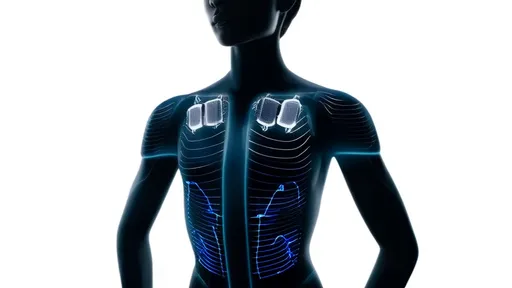
Researchers at the Stanford Wearable Electronics Initiative have developed textile-based sensors that outperform conventional health monitors. Unlike rigid smartwatches that measure only heart rate or movement, these fabric-embedded nanosensors detect molecular-level changes in sweat composition. A study published in Nature Biotechnology demonstrated how such garments could predict anxiety attacks 20 minutes before onset by tracking sudden surges in chloride ions and interleukin-6, markers associated with acute stress responses.
From Biomarkers to Fashion Statements
The intersection of biotechnology and haute couture has birthed a new generation of functional apparel. Designers at MIT Media Lab recently unveiled a collection of silk blouses woven with capillary microfluidic channels. These delicate threads wick sweat toward hidden sensor arrays, where machine learning algorithms translate chemical fluctuations into color changes. A deep blue might indicate meditative calm, while shimmering gold signals elevated dopamine levels. The garments don’t just report data—they embody the wearer’s emotional landscape.
This technology isn’t limited to high-end fashion. Sportswear giants have begun integrating similar systems into athletic gear. A leading brand’s compression shirt now alerts runners when dehydration causes sodium levels to drop dangerously low, while another company’s yoga pants vibrate gently when cortisol suggests excessive strain despite proper form. The implications extend beyond individual wellness; imagine construction workers’ uniforms that flash warning lights when fatigue-related metabolites reach critical thresholds.
The Dark Side of Emotional Transparency
As with any breakthrough, ethical dilemmas emerge. Continuous biochemical monitoring raises questions about data ownership—should employers access stress metrics from workplace uniforms? Could insurance companies demand sweat analytics to adjust premiums? A controversial patent filed last year described using sweat-derived serotonin levels to customize digital advertisements in real-time, prompting outcry from privacy advocates. The European Union’s GDPR now classifies perspiration data as protected health information, but global regulations remain fragmented.
There’s also the risk of over-reliance on technological interpretations of emotions. Human feelings are nuanced symphonies of biochemistry, context, and personal history. A pilot study at Kyoto University found that identical sweat profiles could represent either romantic excitement or panic attack precursors depending on the individual. Overzealous adoption of these garments might lead to a new form of digital hypochondria, where wearers misinterpret normal hormonal fluctuations as impending crises.
The Future Flows Through Our Pores
Despite challenges, the potential for good is immense. Early trials at Boston Children’s Hospital show promise for non-verbal autistic children, whose caregivers struggle to recognize distress signals. Shirts with tactile feedback systems gently pulse when rising lactate suggests sensory overload, allowing preemptive intervention. Veterans’ hospitals are testing undershirts that detect PTSD episodes through adrenaline derivatives, automatically playing calming frequencies through bone-conduction speakers woven into the collar.
Perhaps the most profound impact lies in redefining human connection. Experimental "empathy jackets" allow wearers to feel another person’s sweat chemistry through thermal patterns and gentle pressure—a kind of biochemical handshake. As we stand on the brink of this intimate revolution, one truth becomes clear: the future of health, fashion, and human interaction may very well be written in the saltwater poetry of our skin.

By /Oct 22, 2025

By /Jul 25, 2025
By /Jul 25, 2025

By /Jul 25, 2025
By /Jul 25, 2025

By /Jul 25, 2025

By /Jul 25, 2025

By /Jul 25, 2025

By /Jul 25, 2025

By /Jul 25, 2025

By /Jul 25, 2025
By /Jul 25, 2025

By /Jul 25, 2025
By /Jul 25, 2025

By /Jul 25, 2025
By /Jul 25, 2025

By /Jul 25, 2025

By /Jul 25, 2025

By /Jul 25, 2025

By /Jul 25, 2025
