Making the Right First Impression Walking into a job interview can feel like stepping onto a stage. Every detail matters, from your handshake to your resume—and yes, your jewelry choices too. Many candidates spend hours preparing answers but overlook how accessories influence that crucial first impression. The wrong piece can distract interviewers or send unintended messages about your professionalism. I've seen talented people lose opportunities because their bold statement necklace or clanking bracelets became the main focus instead of their qualifications.
The goal isn't to blend into the background but to select pieces that complement your capabilities without overshadowing them. Understanding Interview Jewelry Psychology Interviewers form opinions within seconds, and your accessories contribute to that snap judgment. Delicate jewelry typically conveys attention to detail and professionalism, while oversized or noisy pieces might suggest you prioritize fashion over function. One hiring manager told me she automatically questions candidates wearing multiple arm bangles because they create constant noise during conversations. Another confessed he associates men's chunky rings with potential culture fit issues in conservative industries.
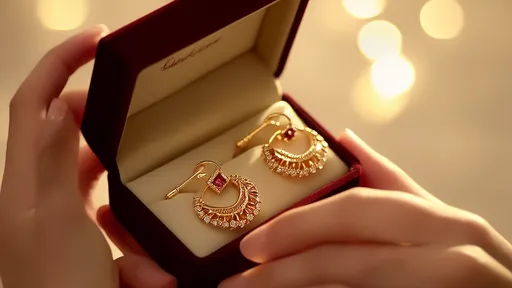
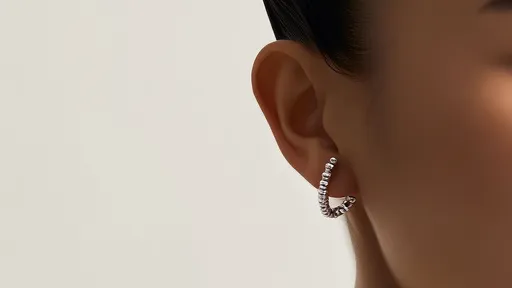
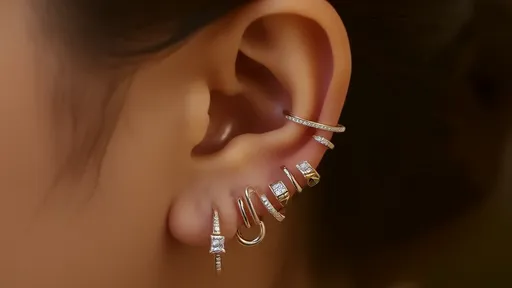
This doesn't mean you should eliminate personality from your look—rather, you need to understand how different pieces are perceived across industries. Creative fields might welcome more expressive choices, whereas corporate environments generally favor subtlety. The Timeless Stud Earrings You can't go wrong with simple stud earrings for any interview setting. Small pearls, minimalist geometric shapes, or classic diamond studs project polished professionalism without demanding attention. I recommend avoiding dangling earrings entirely—they tend to move when you speak, potentially distracting both you and the interviewer.
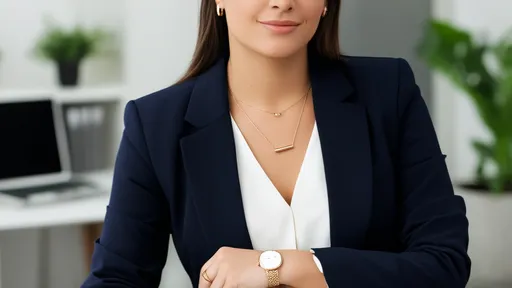
One client landed her dream finance position after switching from dramatic hoops to petite gold studs, noting the hiring committee specifically complimented her "put-together appearance." Stick to metals that match your other accessories, and remember that hypoallergenic materials prevent uncomfortable adjustments during important conversations. The Power of a Simple Watch A sleek watch might be the most strategic jewelry piece for interviews. Beyond completing your outfit, it subtly communicates punctuality and organization. Choose leather or metal bands in neutral colors, avoiding smartwatches that might tempt you to check notifications.
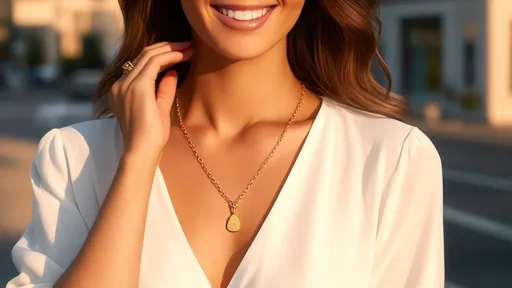
My favorite interview watch has a slim silver case and white face—professional enough for corporate settings but modern enough for creative industries. Many hiring managers unconsciously note whether candidates check the time during meetings; having an analog watch allows discreet time awareness without pulling out your phone. This small detail shows respect for the interviewer's schedule. Necklaces That Work, Not Distract When it comes to necklaces, think "conversation starter" rather than "conversation hijacker." A single delicate chain with a small pendant sits perfectly without clanking against the table or requiring adjustment. Avoid layered necklaces that can tangle or noisy charms that draw eyes away from your face. One recruiter shared how a candidate's large pendant necklace kept swinging during their discussion, making it difficult to maintain eye contact.
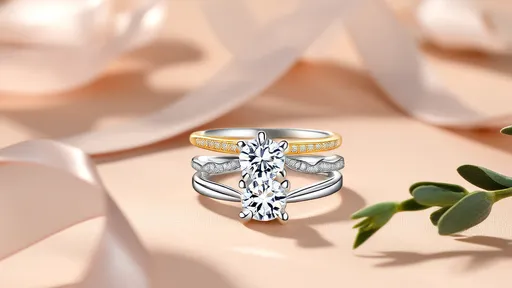
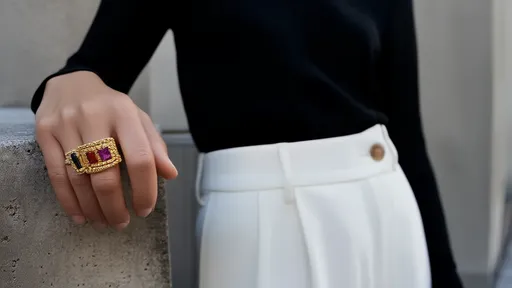
If you wear a collared shirt, test how your necklace interacts with it beforehand. The safest bet is a chain that rests just above your collarbone—visible enough to accessorize but subtle enough to stay professional. Rings and Professionalism Limit rings to one per hand at most, choosing slim bands over bulky statement pieces. Large rings can interfere with handshakes and draw unnecessary attention when you gesture. Wedding bands are generally acceptable, but avoid costume jewelry that might catch light or make noise against tables. During a panel interview, I noticed a candidate's oversized ring kept hitting the table surface, creating minor distractions each time she emphasized a point. Opt for low-profile designs that won't interfere with writing or typing tests sometimes administered during interviews. The goal is to look capable and ready to work, not accessorized for a social event.
Industry-Specific Considerations Your interview jewelry should align with your target industry's culture. Conservative fields like law and finance demand minimal, high-quality pieces—think pearl studs and simple metal watches. Creative industries like design or marketing might accept more individuality, perhaps a single unique artisan piece. One graphic designer secured her position by wearing handmade ceramic studs that demonstrated her aesthetic sensibility. Meanwhile, healthcare and laboratory positions often require removing most jewelry for safety reasons—in these cases, a simple watch might be your only option. Research company photos or ask insiders about dress code norms before selecting your pieces. The Confidence Connection Beyond impressing interviewers, the right jewelry should make you feel authentically confident.
I've observed clients transform their posture and communication when wearing pieces that reflect their personal style within professional boundaries. One woman always wore her grandmother's subtle gold bracelet to interviews—not noticeable to others but reminding her of family support during stressful moments. Your accessories should enhance, not undermine, the capable professional you are. If you find yourself constantly adjusting a necklace or worrying about noisy bracelets, you've chosen wrong. The perfect interview jewelry disappears from your consciousness while subtly reinforcing your professional image. Putting It All Together Selecting interview jewelry ultimately comes down to balance—expressing individuality while respecting professional norms. Start with one focal piece (like quality stud earrings) and build around it sparingly. Remember that your qualifications should remain the center of attention, with accessories playing a supporting role. The right choices won't get you the job, but the wrong ones might cost you the opportunity. Trust that subtle elegance communicates confidence better than bold fashion statements in interview settings. Now you're ready to accessorize strategically for that important meeting—your dream job awaits.
By Sophia Lewis/Nov 14, 2025
By Jessica Lee/Nov 14, 2025
By Laura Wilson/Nov 14, 2025
By Eric Ward/Nov 14, 2025
By Ryan Martin/Nov 14, 2025
By William Miller/Nov 14, 2025
By James Moore/Nov 14, 2025

By Joshua Howard/Nov 14, 2025
By Noah Bell/Nov 14, 2025
By Lily Simpson/Nov 14, 2025
By Eric Ward/Nov 14, 2025
By Emma Thompson/Nov 14, 2025

By Sarah Davis/Nov 14, 2025
By Megan Clark/Nov 14, 2025
By Joshua Howard/Nov 14, 2025
By Megan Clark/Nov 14, 2025
By William Miller/Nov 14, 2025
By William Miller/Nov 14, 2025
By Laura Wilson/Nov 14, 2025
By Laura Wilson/Nov 14, 2025
