You finally found it. The perfect necklace that makes you feel put-together, the heirloom ring you never take off, the statement earrings that always get compliments. These pieces become part of your daily life, but then you notice it: a dull film on your silver, a loose prong on your diamond, a chain that’s lost its luster. It happens to the best of us. Jewelry is meant to be worn and loved, not left sitting in a box, but that daily wear exposes it to a host of invisible enemies—lotions, perfumes, sweat, and even the air itself.
The good news is that preserving that "just purchased" sparkle isn't about complicated rituals or expensive products. It's about understanding a few fundamental principles and building tiny, consistent habits. By the end of this, you'll have a clear, actionable plan for protecting your investment, preventing common damage, and knowing exactly when to handle things yourself versus when to call in a professional. We’re going to move from your daily routine to deep cleaning, proper storage, and the professional care that truly makes all the difference.
The Daily Defense: Your On-the-Go Protection Plan
Think of your morning routine as the first line of defense for your jewelry. The single most impactful change you can make is also the simplest: make jewelry the very last thing you put on and the first thing you take off. This one habit creates a barrier between your precious pieces and the chemicals found in nearly all of our daily products. Hairspray can coat diamonds in a sticky film that dims their fire. Perfume and cologne, often containing alcohol, can damage pearls and erode the finish on plated metals. Even something as innocent-seeming as lotion can build up in the intricate details of a piece, trapping dirt and grime and creating a dull appearance over time.
I learned this the hard way with a rose-gold plated bracelet I used to never remove. Within months, the areas that consistently made contact with my moisturizer had worn down to the base metal, while the rest of the piece still looked new. It was a clear lesson in chemical corrosion. Similarly, physical activities pose a threat. Always remove your jewelry before hitting the gym. Sweat accelerates tarnishing, especially for sterling silver, and it can be surprisingly abrasive. Lifting weights or using equipment can easily scratch metals, snag chains, or loosen stones. A small dish on your bedside table can become a ritualistic landing spot, ensuring your pieces are safe while you sleep or shower.
The Art of the At-Home Clean: When and How to Do It Right
Regular, gentle cleaning is essential, but the "how" is critical and varies dramatically by material. For most diamond, platinum, and gold jewelry, a simple soak is your best friend. Create a solution of a few drops of mild, ammonia-free dish soap in a bowl of warm water. Let the pieces soak for 15-20 minutes to loosen any built-up oils and dirt. Then, use a very soft-bristled toothbrush—a baby toothbrush is perfect—to gently scrub behind the stone and along the setting. Rinse thoroughly under lukewarm water and pat dry with a soft, lint-free cloth. The key is the gentleness of the brush; stiff bristles can actually scratch softer metals and settings.
Now, for the exceptions. This method is a disaster for certain delicate materials. Pearls, opals, and turquoise are porous and can be damaged by even plain water. They should only be wiped gently with a slightly damp cloth and immediately dried. Never submerge them. Emeralds and other oil-treated stones are also vulnerable, as soaps and chemicals can strip their protective treatments. For these pieces, a dry, soft cloth is all you need. A common mistake is over-cleaning. You don't need to deep-clean your jewelry every week. A quick wipe-down after wearing and a more thorough clean once a month is sufficient for most pieces to maintain their brilliance without unnecessary wear from the cleaning process itself.
Smart Storage: Your Jewelry's Safe Haven
Where you keep your jewelry when it's not being worn is just as important as how you clean it. Tossing everything into a single jewelry box is a recipe for scratches, tangled chains, and broken clasps. The enemy here is friction. Harder gemstones like diamonds and sapphires can easily scratch softer metals like gold and silver. The solution is individual containment. Look for a jewelry box with separate, fabric-lined compartments, or use soft pouches for each piece.
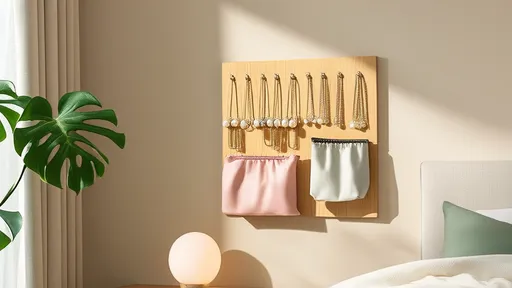
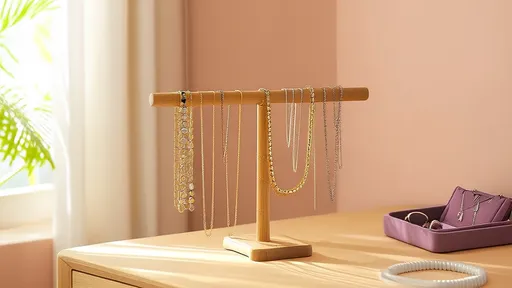
For an affordable and highly effective DIY solution, I swear by those multi-compartment plastic pill organizers. Each small, individual compartment is perfect for holding a pair of earrings or a ring, keeping them separated and secure. For necklaces, the eternal tangle problem has a simple fix. Hang them! A small, decorative wall hook or even a thumbtack inside your closet door can keep your chains hanging straight and knot-free. If you must store them in a box, try the straw method: thread one end of the chain through a plastic straw and clasp it. This prevents the links from coiling around each other. The goal is to minimize contact between pieces, protecting their surfaces and saving you the frustration of untangling a delicate chain.
The Professional Touch: Why Annual Check-Ups Are Non-Negotiable
You can be the most diligent jewelry owner in the world, but there are some things only a trained eye can see. This is where the professional jeweler comes in. Think of an annual inspection like a dental cleaning for your jewelry—it’s preventative maintenance that catches small issues before they become big, expensive problems. A jeweler will use a loupe (a special magnifying glass) to meticulously inspect the prongs holding your stones. Over time, these prongs can wear down or bend, creating a risk that a stone could fall out.
I once brought in a vintage ring I wore almost daily, thinking it was in perfect condition. The jeweler immediately pointed out two prongs that were paper-thin and on the verge of breaking. A simple re-tipping procedure saved me from losing the center stone. Beyond prongs, they will also check the integrity of clasps, catches, and the overall structure of the piece. Many jewelers will also offer an ultrasonic cleaning and steam cleaning as part of the service. These powerful cleaning methods reach deep into crevices you can't clean at home, restoring a level of brilliance that is truly professional. This is not an extravagance; for fine jewelry, it’s an essential part of ownership.
Material-Specific SOS: Handling Common Disasters
Even with perfect care, specific materials have their own quirks and common issues. Knowing how to handle them can save a piece from permanent damage. Let's talk about sterling silver, the tarnish champion. Tarnish is a natural chemical reaction to sulfur in the air, not a sign of poor quality. To remove it, use a dedicated silver polishing cloth. These cloths are impregnated with a gentle tarnish-removing agent and are safe for most silver pieces. Avoid dipping silver in liquid cleaners too frequently, as this can be abrasive over time.
For gold jewelry, the main complaint is a loss of shine due to product buildup. The warm, soapy water soak described earlier is your go-to. If you see a black smudge on your skin from a gold piece, don't panic. This is usually just a reaction between the metal and a cosmetic product, and it wipes right off. Costume or fashion jewelry requires extra care, as the plating can easily wear off. Never soak these pieces. Instead, clean them quickly with a damp Q-tip and dry immediately. The golden rule for all materials: when in doubt, do less. It’s always safer to take a piece to a professional than to risk causing damage with an incorrect home remedy.
The Mindset of Care: Jewelry as a Lasting Legacy
Ultimately, jewelry care transcends simple maintenance; it's a practice of mindfulness and appreciation. These pieces often carry immense sentimental value—they are gifts marking life's milestones, heirlooms connecting us to our past, or personal trophies celebrating our achievements. The slight effort of wiping down a ring before bed or having a necklace professionally inspected is an act of respect for that story and its longevity. It’s not about being perfect or paranoid. It’s about integrating small, conscious actions that allow you to enjoy your beautiful pieces every single day without fear.
This mindful approach transforms your relationship with your collection. You stop seeing care as a chore and start seeing it as part of the joy of ownership. You wear your favorite pieces with confidence, knowing they are secure and radiant. You develop an eye for detail, noticing a loose clasp before it breaks. This proactive, gentle stewardship ensures that the necklace that made you feel so put-together today will do the same for your daughter decades from now. The true value of jewelry isn't just in its materials, but in the memories it holds and the stories it has yet to tell.
Start with just one new habit this week. Maybe it’s designating that "last on, first off" spot. Perhaps you’ll untangle your necklaces and give them a proper hang. These small steps build a foundation of care that protects your collection for a lifetime. Your jewelry is meant to be a source of joy, not anxiety. With these fundamentals in hand, you can ensure every piece stays as brilliant and meaningful as the day you got it.
By Sophia Lewis/Nov 14, 2025

By Jessica Lee/Nov 14, 2025

By Laura Wilson/Nov 14, 2025

By Eric Ward/Nov 14, 2025
By Ryan Martin/Nov 14, 2025
By William Miller/Nov 14, 2025

By James Moore/Nov 14, 2025

By Joshua Howard/Nov 14, 2025
By Noah Bell/Nov 14, 2025
By Lily Simpson/Nov 14, 2025
By Eric Ward/Nov 14, 2025

By Emma Thompson/Nov 14, 2025

By Sarah Davis/Nov 14, 2025
By Megan Clark/Nov 14, 2025
By Joshua Howard/Nov 14, 2025
By Megan Clark/Nov 14, 2025
By William Miller/Nov 14, 2025
By William Miller/Nov 14, 2025
By Laura Wilson/Nov 14, 2025

By Laura Wilson/Nov 14, 2025
