You’re cleaning out your jewelry box, and a question pops into your head: is any of this stuff actually real gold? It’s a common dilemma. With so many gold-plated, gold-filled, and just plain fake pieces floating around, it’s easy to end up with something that looks the part but isn’t worth much. Knowing what you own isn’t just about bragging rights—it affects value, sentimental decisions, and even resale potential. By the time you finish reading, you’ll be equipped with simple, at-home tests to verify your gold, understand hallmark clues, and avoid costly mistakes. We’ll start with the basics of identifying real gold, move into DIY checks you can do right now, and finish with what to do when you need professional confirmation.
First things first: let’s talk about hallmarks and stamps. These tiny engravings on your jewelry are like its birth certificate. Pure gold is 24 karats, but it’s often too soft for everyday wear, so it’s mixed with other metals. That’s where stamps like “14K” or “585” come in—they tell you the gold content. If you see “14K,” it means 14 out of 24 parts are gold, roughly 58.5%. “750” indicates 18K gold, which is 75% pure. No stamp? That’s a red flag, but not a death sentence. Some older or handmade pieces might lack stamps, or worse, fakes might have counterfeit ones. I once found a bracelet stamped “18K” that turned out to be brass—it felt too light and had a slight discoloration near the clasp. So while stamps are helpful, don’t rely on them alone.
Now, let’s get into some hands-on tests you can do at home. The magnet test is a crowd favorite because it’s quick and easy. Real gold isn’t magnetic, so if your jewelry jumps to a magnet, it’s not pure gold. But here’s the catch: some non-magnetic metals like stainless steel can still fool you. That’s why I pair this with the weight test. Gold is dense and heavy for its size. Compare a piece you suspect to a similar-sized piece you know is real—if it feels surprisingly light, it might be plated or fake. One of my friends thought she’d scored a vintage gold chain at a flea market until she held it next to her grandmother’s necklace; the weight difference was obvious. These two tests together can weed out many imposters.
Another DIY method is the skin test. Wear the jewelry for a bit and see if it causes any discoloration on your skin. Real gold typically doesn’t react, while fake gold often contains metals like copper or nickel that can leave green or black marks. Of course, this isn’t foolproof—some people’s skin chemistry reacts differently, or the piece might be gold-filled (a thicker layer of gold over a base metal). I’ve had clients swear by this test, but I always remind them: if you have sensitive skin, skip it to avoid irritation. Instead, try the ceramic test. Gently rub the jewelry on unglazed ceramic (the back of a tile works). Real gold leaves a golden streak, while fakes leave a black line. Just be gentle—you don’t want to scratch a genuine piece!
When you’re ready to get a bit more scientific, the vinegar test can reveal a lot. Gold is highly resistant to corrosion, so dropping your item in a small bowl of white vinegar for 15 minutes shouldn’t affect it. If you see discoloration or fading, it’s likely not real gold. But caution: this test can damage plated items or weaken settings over time. I only recommend it for solid pieces you’re really skeptical about. And never, ever use bleach—it’s too harsh and can ruin jewelry regardless of its authenticity. One reader told me she accidentally damaged a gold-plated heirloom with vinegar, so always start with less invasive checks.
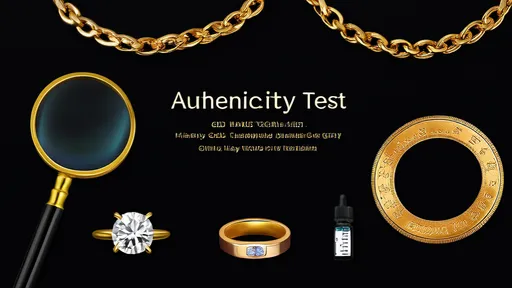
For those who want to go deeper, understanding acid testing kits can be a game-changer. These kits, available online, include nitric acid that reacts differently with various karats. You make a small scratch on the jewelry (in an inconspicuous spot), apply the acid, and observe the color change. No reaction? It’s likely real gold. But this method requires care—acid is corrosive, and improper use can harm you or the piece. I once helped a friend test a ring she’d inherited; we used a kit and discovered it was 22K gold, which explained its rich color. If you’re nervous, practice on a piece you don’t care about first. Remember, safety goggles and gloves are non-negotiable here.
Of course, there are limits to home testing. If you’ve got a piece that’s emotionally or financially valuable, it’s worth seeking a professional appraisal. Jewelers have tools like X-ray fluorescence (XRF) analyzers that can determine composition without damaging the item. I brought a necklace to a local jeweler last year—it passed all my home tests but still felt off. The XRF revealed it was gold-plated tungsten, a common trick because tungsten has a similar density to gold. Appraisals aren’t free, but for high-value items, the peace of mind is priceless. Look for certified appraisers with good reviews, and ask if they use non-destructive methods.
Beyond the practicalities, there’s an emotional side to knowing your gold’s authenticity. That ring from your grandmother or the bracelet from a special trip—its realness can deepen its meaning. I’ve seen people hesitate to wear heirlooms because they’re unsure if they’re real, only to discover they’re sitting on a treasure. On the flip side, finding out something is fake doesn’t strip its sentimental value; it just clarifies what you have. One client had a “gold” locket from her mother that turned out to be brass. She still wears it daily because it reminds her of their bond, but now she knows not to insure it for a high amount. It’s about balancing heart and head.
So, where does this leave you? Identifying real gold isn’t about having a lab in your bathroom—it’s about using simple checks, understanding the signs, and knowing when to call in the pros. Start with the magnet and weight tests, look for hallmarks, and remember that no single method is perfect. Your jewelry tells a story, and knowing its true material lets you appreciate it fully. Grab that piece you’ve been curious about and give these tips a try. For more guides on jewelry care or authenticating other metals, follow along—I’m always sharing insights to help you make smart, confident decisions about your collection.
By Sophia Lewis/Nov 14, 2025
By Jessica Lee/Nov 14, 2025
By Laura Wilson/Nov 14, 2025
By Eric Ward/Nov 14, 2025
By Ryan Martin/Nov 14, 2025
By William Miller/Nov 14, 2025

By James Moore/Nov 14, 2025

By Joshua Howard/Nov 14, 2025
By Noah Bell/Nov 14, 2025
By Lily Simpson/Nov 14, 2025
By Eric Ward/Nov 14, 2025
By Emma Thompson/Nov 14, 2025

By Sarah Davis/Nov 14, 2025
By Megan Clark/Nov 14, 2025
By Joshua Howard/Nov 14, 2025
By Megan Clark/Nov 14, 2025
By William Miller/Nov 14, 2025
By William Miller/Nov 14, 2025
By Laura Wilson/Nov 14, 2025

By Laura Wilson/Nov 14, 2025
