You know that feeling when you open your jewelry box and it's just a tangled mess of necklaces, mismatched earrings, and bracelets you forgot you owned? For years, I accepted this chaos as an unavoidable part of loving accessories. I tried everything—the standard fabric-lined boxes, the tiny drawers, the hanging organizers. Nothing worked. Either I couldn't see everything I had, leading to forgotten favorites, or the pieces would end up in a frustrating knot. It was a constant, low-grade annoyance that made getting ready feel like a chore.
Then, I discovered a system that genuinely changed the game. It wasn't about a more expensive box or a more complex design. It was about a simple, modular approach that finally brought order to the chaos. By the end of this, you'll understand exactly how to transform your own jewelry storage, making your entire collection visible, accessible, and protected from damage. We'll start by looking at why most common storage solutions fail, then dive into the core principles of an effective system, and finish with how to set it up and maintain it for the long haul.
The Downfall of Traditional Jewelry Boxes
Let's be honest, the classic jewelry box is often more about aesthetics than function. The plush interior and tiny compartments look lovely, but they're a nightmare for practicality. Necklaces get tossed together, their chains intertwining into a Gordian knot the moment you look away. Earring backs mysteriously disappear into the velvet lining, and stacking rings in those tiny slots means you only ever see the one on top. This "out of sight, out of mind" problem is real; you end up wearing the same few pieces while the rest of your collection gathers dust. The very design that's meant to protect your valuables actually encourages disorganization and can even lead to scratches and broken clasps.
The Core Principle: Visibility and Separation
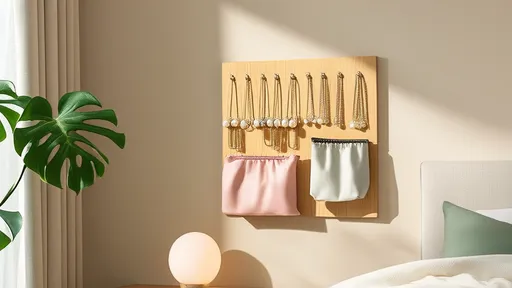
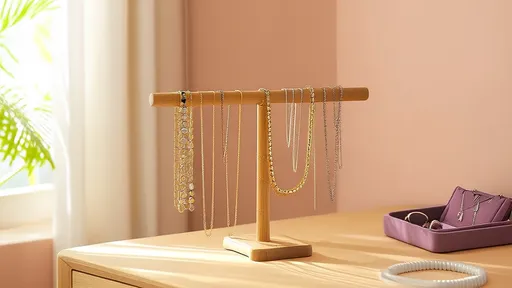
The breakthrough came when I stopped thinking about "storing" jewelry and started thinking about "displaying" it. The goal is to see every single item at a glance. This principle hinges on two key words: visibility and separation. When you can see your entire collection, you're more likely to wear different pieces and create new combinations. Separation prevents tangling and damage. This doesn't mean you need a sprawling, museum-style display case. It means choosing a system where each category of jewelry has its own dedicated, visible home. For instance, hanging necklaces individually, laying out earrings in a grid, and storing rings so their faces are visible.
The Modular Tray System: A Closer Look
This is where the magic happens. The solution that finally worked for me was a set of modular, stackable trays with customizable inserts. Unlike a fixed-box design, this system is adaptable. You can buy trays with pre-cut slots for specific items, or get blank trays and foam or velvet inserts that you can cut to fit your exact pieces. One tray can be dedicated to your stud earrings, with little individual slots for each pair. Another can have longer channels for bracelets and bangles. A third might have velvet-ring rolls or pegs for hanging necklaces. The beauty is that you build the system around your collection, not the other way around. I was able to create a perfect spot for my statement necklace with the awkward clasp and my stack of delicate silver bands, something no pre-made box could ever accommodate.
Implementing Your Own System: A Step-by-Step Guide
Ready to tackle your own jewelry chaos? Start by taking everything out. I mean everything. Lay it all out on a clean surface. This is the most revealing step—you'll likely rediscover pieces you adore. Next, sort them into categories: necklaces, bracelets, rings, stud earrings, dangling earrings, etc. Now, measure your space. Do you have drawer space? A shelf? A desktop? This will determine the size and number of trays you need. When selecting trays, look for stackable ones with a clear lid to keep dust out. Begin organizing by category, placing the items you wear most frequently in the most accessible tray. Don't be afraid to cut the foam inserts to create a custom fit for your most prized or awkwardly shaped pieces. It’s a satisfyingly tactile process.
Common Mistakes and How to Avoid Them
In the enthusiasm to get organized, it's easy to make a few missteps. A common one is buying a system that's too small. You need room to grow! Always opt for a system that allows you to add more modules later. Another mistake is not securing dangling items. If your trays will be moved or stacked, ensure that posts for hanging necklaces are sturdy and that earrings are firmly placed in their slots to prevent jostling. Finally, don't forget about travel. A common error is to dismantle your home system for a trip. Instead, have a separate, small travel case that you pre-pack with a few select pieces, so your main organization remains intact when you return.
Beyond the Tray: Incorporating Other Solutions
While the tray system is fantastic for most items, some pieces demand a different approach. For my very long necklaces and beaded strands that don't fit well in trays, I use small, clear command hooks on the inside of my closet door. This keeps them tangle-free and adds a decorative element. For my everyday earrings and rings, I keep a small ceramic dish on my vanity. This isn't a failure of the system; it's an extension of it. The dish is for the items I take off at night and put on first thing in the morning. The key is that everything else has a designated home in the trays, preventing the "dish" from becoming a "catch-all" and reverting to the original problem.
The Psychological Payoff of an Organized Collection
What surprised me most wasn't just the time I saved in the morning, but the renewed joy I found in my collection. When your jewelry is organized, it stops being clutter and becomes a curated assortment of possibilities. There's a quiet confidence that comes from knowing exactly where everything is. It transforms the act of getting dressed from a frantic search into a creative, enjoyable process. You're reminded of the stories behind your pieces—the vacation where you bought that turquoise ring, the heirloom necklace from your grandmother. This system does more than store metal and stones; it honors the memories and personal expression they represent.
Ultimately, conquering jewelry clutter isn't about achieving perfection. It's about creating a simple, sustainable system that removes daily friction and lets you enjoy the beautiful things you've collected. It’s about small, consistent habits—like putting a piece back in its designated spot—that maintain the order. Start with one tray, sort one category, and experience the relief for yourself. Your future, more put-together self will thank you every single morning. And if you're looking for specific product recommendations or visual guides, feel free to reach out—I'm always happy to share more insights on creating a home that works for you.
By Sophia Lewis/Nov 14, 2025
By Jessica Lee/Nov 14, 2025
By Laura Wilson/Nov 14, 2025

By Eric Ward/Nov 14, 2025

By Ryan Martin/Nov 14, 2025
By William Miller/Nov 14, 2025

By James Moore/Nov 14, 2025

By Joshua Howard/Nov 14, 2025
By Noah Bell/Nov 14, 2025
By Lily Simpson/Nov 14, 2025
By Eric Ward/Nov 14, 2025
By Emma Thompson/Nov 14, 2025

By Sarah Davis/Nov 14, 2025

By Megan Clark/Nov 14, 2025
By Joshua Howard/Nov 14, 2025
By Megan Clark/Nov 14, 2025
By William Miller/Nov 14, 2025

By William Miller/Nov 14, 2025
By Laura Wilson/Nov 14, 2025

By Laura Wilson/Nov 14, 2025
